

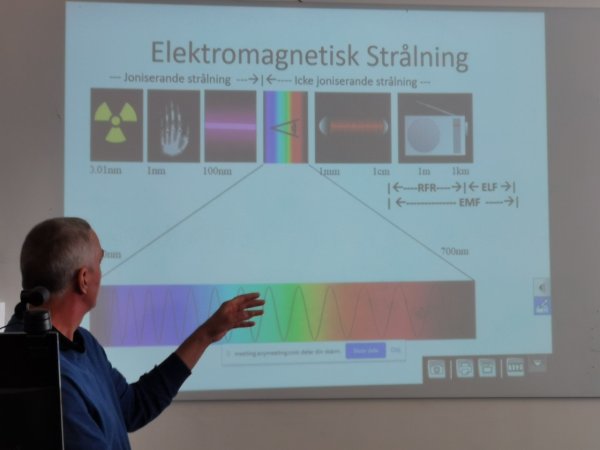
Radiation is the transfer of energy in the form of waves or particles through space or other media. An example of radiation is sunlight. We all love a little sunshine. Although sunshine is a natural source of radiation, we still need to limit our exposure. Sunlight transmits ultraviolet (UV) and it is known that overexposure to UV radiation can cause a range of diseases. More information (World Health Organization - UV)
Natural sources: Radiation sources are all around us all the time. Some are natural and some are man-made. Light, heat, microwaves and radio waves used for wireless communication are all forms of radiation.
Man-made sources: Today, we are exponentially more exposed to radio frequency (RF) radiation from the use of wireless technology such as mobile phones, WIFI, Bluetooth, tablets, smart meters, the Internet of Things (IoT). Radiofrequency radiation is invisible, inaudible, odorless, and we cannot taste or touch it. It is the invisible energy that permeates walls, houses, and bodies.
Ionizing radiation: High-energy radiation includes X-rays and gamma rays. This type of radiation is often identified as terribly dangerous even in small doses. It can cause damage to matter, especially living tissue. Fortunately, ionizing radiation is less common in our daily lives. RTKs products do not protect against ionizing radiation.
Non-ionizing radiation: Non-ionizing radiation includes radio waves, microwaves, infrared, and ultraviolet radiation. It surrounds us in our daily lives from various sources such as cell phones, tablets, computers, and WIFI.
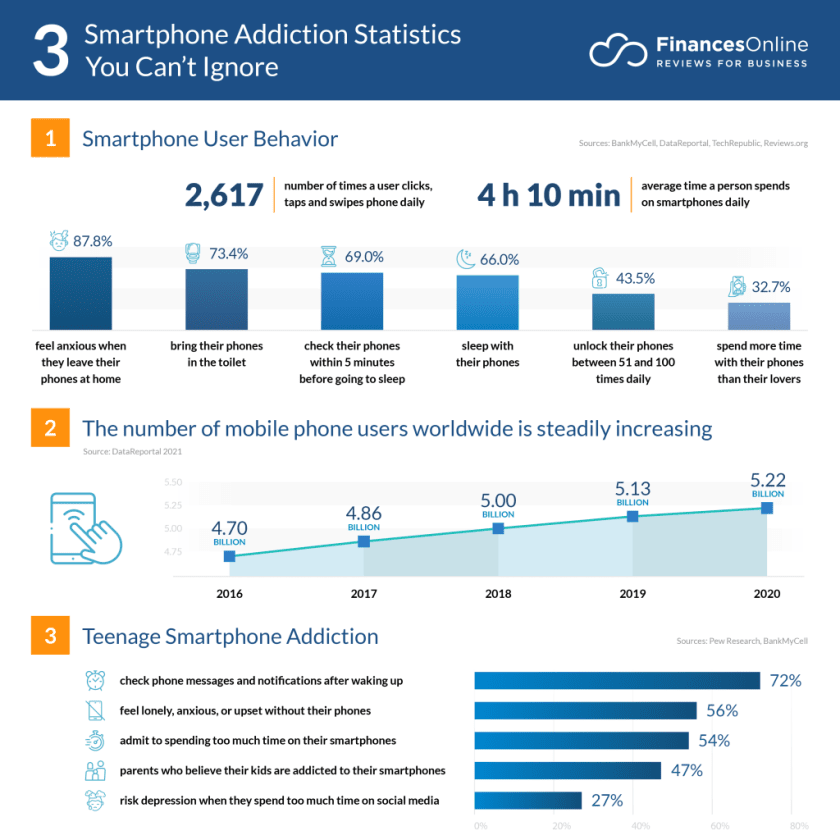
The International Agency for Research on Cancer (IARC) has classified radiofrequency (RF) electromagnetic fields (EMF) as possibly carcinogenic to humans (Group 2B), based on an increased risk of glioma, a malignant type of brain cancer, associated with the use of wireless phones. Many studies have found harmful effects from electromagnetic field radiation, such as:
Radiation has long been cited as a health threat to young children and pregnant women; however, doctors still debate the nature and extent of this danger. Because the risks from radiation can take years to reveal their consequences for young children, the risks during pregnancy from radiation are difficult to determine and represent increased likelihood that the health effects will grow over time.
However, many health experts and governments recommend applying the “precautionary principle” to these risks until we understand more. Similarly, various toxins such as tobacco and asbestos have taken a long time for policy and awareness to catch up with increasing clinical evidence.
“Both human and animal studies report major immunohistological changes in mast cells and other measures of immune dysfunction and disruption due to exposure to ELF and RF at environmental levels associated with new electrical and wireless technologies.” – Dr. Olle Johansson
“Everyday radiation is a health risk. As an OBGYN, I recommend my pregnant patients and those looking to conceive to minimize their exposure, and using a barrier from possible radiation sources is a practical way to do this.” - Dr. Huai-Yan Ang, obstetrician and gynecologist
"[There is a] growing body of literature linking long-term cell phone use to possible adverse health effects including cancer. We shouldn't wait for a definitive study to come out, but err on the side of being safe rather than sorry later." - Dr. Ronald Herberman, director of the University of Pittsburgh Cancer Institute

RTK Emf Protection was founded in Sweden over 30 years ago. RTK Emf Protection is at the forefront of providing businesses and individuals ways of dealing with disruptive electromagnetic fields.

The product has been added to your cart